


Portrait of Christian Irack

Christian IrackAI Software Architect · AI Engineer · 20+ years

AI writes the code.
Architecture takes it to production.

Software architect with more than twenty years in digital product. I design the architecture, the contracts and the guardrails; my own system of AI agents writes, tests and ships the code.

  • Logistics SaaS re-architected in two months; the original plan was one year.
  • I've built product for Kavak, Santander, Tokn1 and Chedraui.
  • Mexico · Remote
Chameleon wearing glasses that glow orange: Christian Irack's brand
Every stack.Every shift.Always ahead.
20+
years in digital product
6x
faster sprints with agents, up to six times
2 months
to re-architect a SaaS planned for a year
4
LATAM countries, besides Mexico, run the mobile app I redesigned

Zero manual code

I design the system.
The agents build it.

On top of Claude Code I built an agent system with rules, skills and guardrails versioned in git. I define the architecture and the acceptance criteria; the agents implement, test and deploy. Every failure becomes a rule for the next delivery.

  • AI Engineer
  • Agentic AI
  • Claude Code
  • MCP
  • Software architecture
  • AI automation
  • DevOps
  • Security and VPN
  • 100+skillsEach domain's know-how, packaged and loaded only when it's needed.
  • 46agentsSpecialists with one domain, their own tools and their own limits.
  • 117rulesArchitecture judgment written down and versioned; it doesn't depend on my memory.
  • 46hooksGuardrails that stop the agent before it makes the mistake.
  • 2,675commitsThe system is maintained like a product: every change lives in git.

From idea to production

  1. Design

    I define architecture, contracts and acceptance criteria before the first line.

  2. Orchestration

    A router reads the intent and dispatches it to the agent that owns the module.

  3. Build

    Agents implement with the domain's skills, up to three in parallel.

  4. Verification

    Hooks, lint, build and QA in a real browser. If something fails, the agent fixes it and writes the lesson down.

  5. Delivery

    git push and webhook autodeploy. Nobody edits the server by hand.

Hybrid AI

Each model in its place

  • ClaudeDesign, code and review
  • Local Qwen (Ollama)Volume and private data that never leave the machine
  • DeepSeekSecond opinion and classification at scale
  • Custom MCP serversConnect the agents to databases, APIs and the browser

Six pillars

AI accelerates.
Architecture sustains.

Agents amplify whatever they find: on good architecture they ship faster; without it, they pile up debt faster. These are the six fronts I take care of.

  1. Agents and orchestration

    Routers that understand the request and split the work among single-purpose agents.

    • Domain routers: web, iOS, Android, DevOps
    • Multi-agent workflows with supervision
  2. Skills and memory

    The team's knowledge lives in skills and semantic memory, not in one person's head.

    • Lessons that self-correct after every failure
    • Semantic memory with pgvector and Ollama
  3. Process automation

    Repetitive processes that run on their own, from the Jira ticket to a branch ready for review.

    • Slack and Telegram bots with the Claude Agent SDK
    • AI scrapers that sync every 10 minutes
  4. Software architecture

    Clear layers, typed contracts and versioned migrations: the ground where an agent builds well.

    • Edge · service · repository with Zod validation
    • A full SaaS re-architected in two months
  5. DevOps and infrastructure

    I run my own cloud: dozens of services in production with continuous deployment.

    • ~27 apps on PM2, nginx and Cloudflare
    • Webhook CI/CD and my own WireGuard VPN
  6. Security

    Guardrails that keep an agent from doing damage, and layered defense on every API.

    • Mandatory backup before destructive SQL
    • Rate limiting, CSP and pentest remediation
Traditional development
With my agent ecosystem

A re-architecture planned for a year.

In production in two months.

Speed depends on whoever writes the code.

Sprints up to six times faster.

Knowledge leaves with the person.

It stays in skills and rules versioned in git.

SSH deploys and eyeball reviews.

git push, autodeploy and automated guardrails.

Experience

Twenty years of product. The latest ones, with agents.

From microsites in 2003 to directing agents in 2026. Here is what defines my work today; everything earlier fits in one line per role.

  1. Pinit (opens in a new tab)

    Head of Frontend Engineering

    — presentLogistics SaaS (TMS) · Remote
    • Full SaaS re-architecture: planned for a year, in production in two months with agents.
    • Redesigned the mobile app with offline mode and sync; it now runs in Mexico and four LATAM countries.
    • Built the team's agent system: Jira tickets analyzed, built and validated in a real browser.

  2. Tokn1 (opens in a new tab)

    Fullstack Engineer Senior

    — Digital assets · Remote
    • Real-time social trading module and secure stablecoin wallet management.
  3. Kavak (opens in a new tab)

    Fullstack Engineer Senior

    — Unicorn · Pricing and algorithms
    • Faster, more accurate quoting engines, with scraping and used-car market analysis.
  4. Corebiz (opens in a new tab)

    Frontend Engineer Senior

    — Consultancy · Client: Chedraui
    • Architecture of the React Native e-commerce app integrated with VTEX.
  5. Canasta Rosa

    Head of Frontend Engineering

    — E-commerce startup
    • Led frontend and mobile; restructured critical modules and the cloud architecture.
  6. Area6 (opens in a new tab)

    Head of Technology

    — Digital agency
    • Digital strategy and leadership of development, UX and DevOps teams for five years.
2003 — 2017Early career · 7 roles

Technical foundation

Over twenty years writing every layer. Today I direct them all.
I went through frontend, backend, databases, mobile and servers long before agents existed. That path is my edge with AI: I ask Claude Code for a complete app and I can read, layer by layer, whether what it delivers is what I designed and whether it will scale.

  1. Agents

    Claude Code builds end to end

    Subagents, skills and custom MCP servers implement, test and deploy every layer below.

    Claude Code · Agent SDK · MCP

  2. Interface

    Web and native apps

    Fast, accessible interfaces with a design system, in the browser and on iPhone.

    React · Astro · SwiftUI

  3. Services

    APIs and business logic

    Layered services with clear contracts and validation at every entry point.

    Node.js · Fastify · Python

  4. Data

    Models built to grow

    Relational schemas, versioned migrations and semantic search.

    PostgreSQL · Prisma · pgvector

  5. Infrastructure

    Production I run, secured

    Servers, git-based deployment, VPN and layered defense.

    Linux · Nginx · Cloudflare

Enterprise-grade practices

Beyond the page: security, access, payments, data and measurement, with the rigor I learned building products for Santander, Kavak and Chedraui, and that I now bring to every delivery.

  • Web and API security

    CSP, rate limiting, validation at every entry point and pentest remediation.

  • Private applications

    Internal dashboards behind a VPN, with authentication, roles and per-user permissions.

  • Conversion analytics

    Funnels, key events and in-house analytics to know what converts and decide with data.

  • Payments and subscriptions

    PayPal and StoreKit 2 billing, webhooks, reconciliation and refunds.

  • Continuous delivery

    Git-based deployment, test environments separate from production and rollback to the previous version.

  • Observability

    Health checks, structured logs and production error alerts with Sentry.

  • Protected data

    A backup before every destructive change, versioned migrations and privacy by design.

  • Enterprise integrations

    Slack, Jira, VTEX and third-party APIs wired into the team's workflows.

  • Scale and multi-country operations

    Layered architecture, caching and queues; offline-first apps running in five countries today.

Education

  • Leadership and project managementGoogle for Startups
  • Scrum methodologyGrupo Santander México
  • Technical degree in programming (physics and math track)Cedva Group

Languages

  • SpanishNative
  • EnglishIntermediate

Own projects

Built end to end with agents

Product, code, infrastructure, legal pages and publishing. I orchestrate; the agents execute.

  • Web platform

    Vacantes Digitales

    Tech job aggregator for LATAM, the US and Canada. Scrapers sync every 10 minutes and an AI categorizes and deduplicates.

    • Node.js
    • Playwright
    • DeepSeek
    Visit Vacantes Digitales (opens in a new tab)
  • In-house product

    AIAnalytics

    My own analytics platform with SDKs for web, iOS, macOS and Android: users, errors, conversions and live events.

    • Astro
    • PostgreSQL
    • Cross-platform SDK
    Internal use
  • Consulting

    1:1 AI consulting

    One-on-one 60-minute sessions for companies, in English or Spanish: agents, automation, custom software, DevOps and security, applied to your real case. Booking page in Spanish.

    • Applied AI
    • Architecture
    • Security
    Visit 1:1 AI consulting (opens in a new tab)
Portrait of Christian Irack

Christian Irack

AI Software Architect

Your team already uses AI, but not in production?

I design the architecture and the agent system so your team moves from chat to verified deliveries in production. Tell me about your case.

Indie hacker · after hours

Weekdays I lead teams.
Weekends I ship apps.

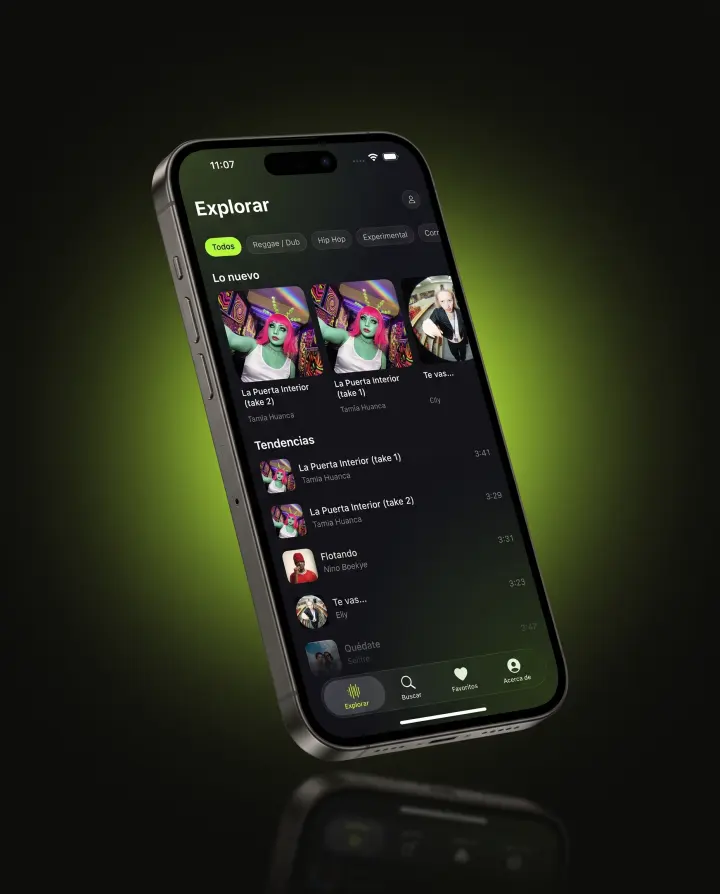
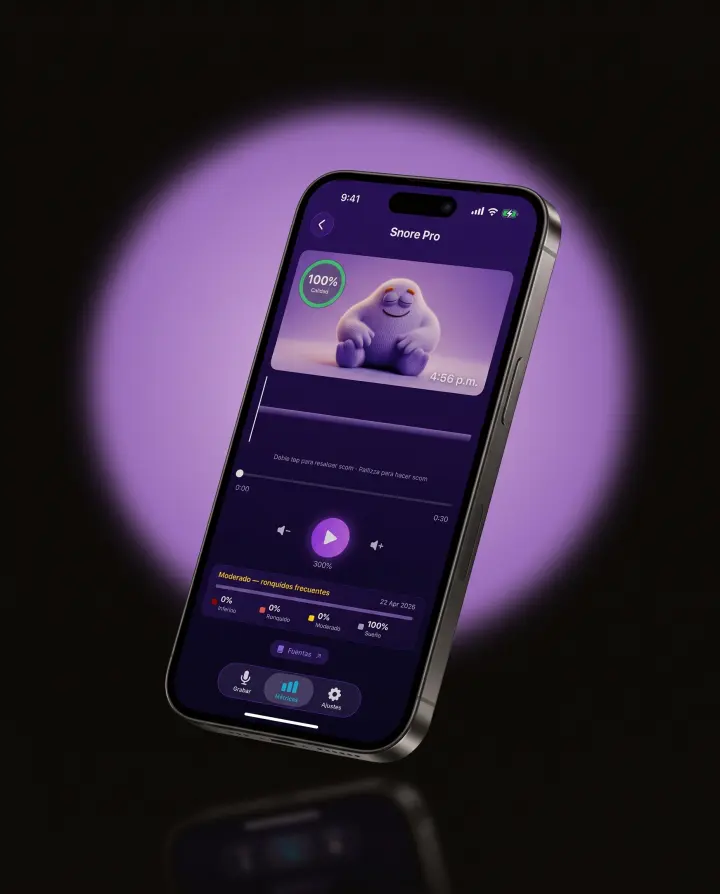
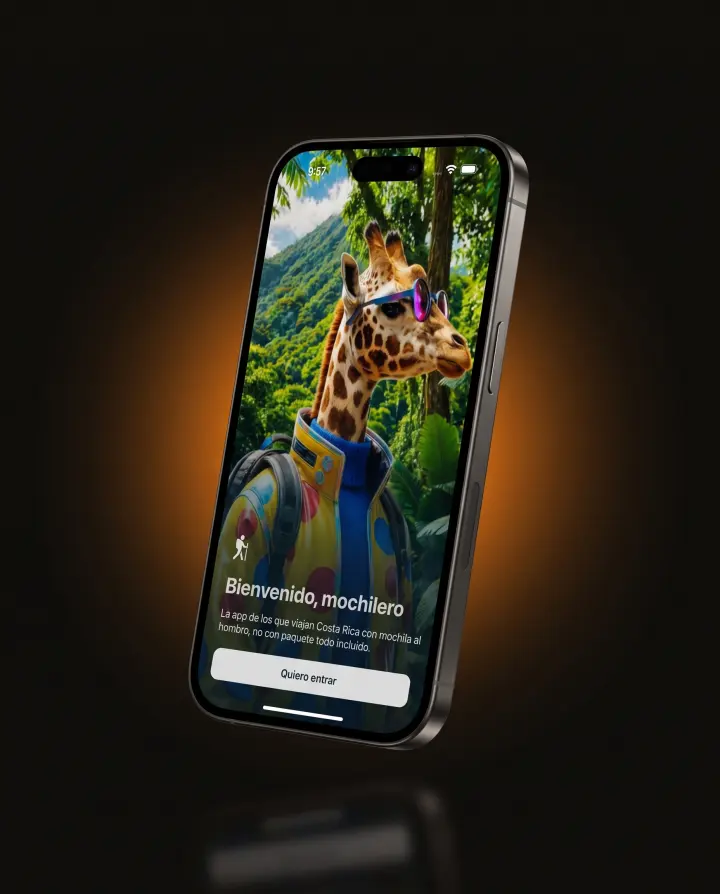
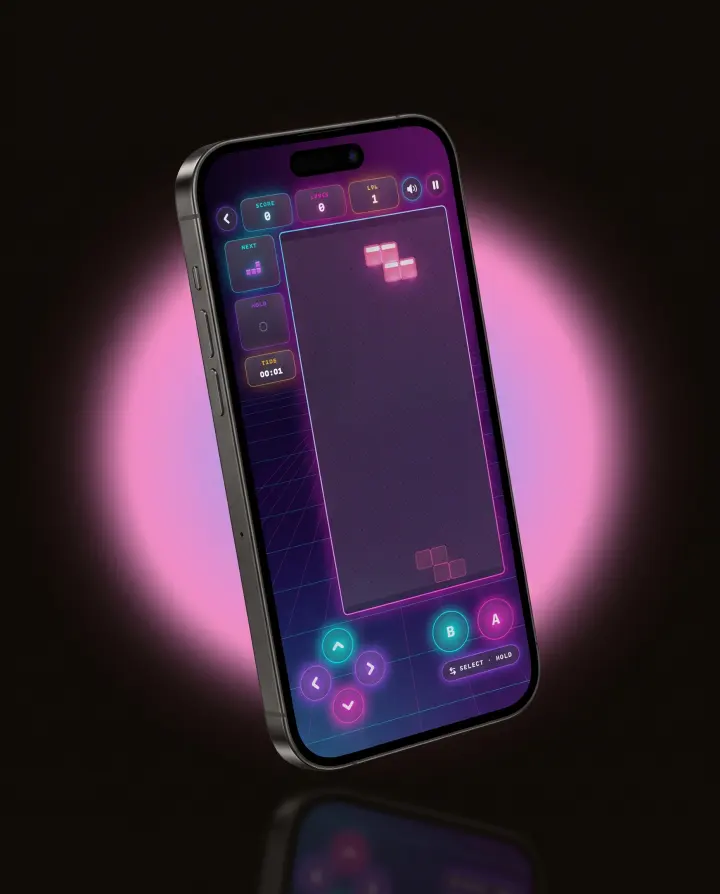
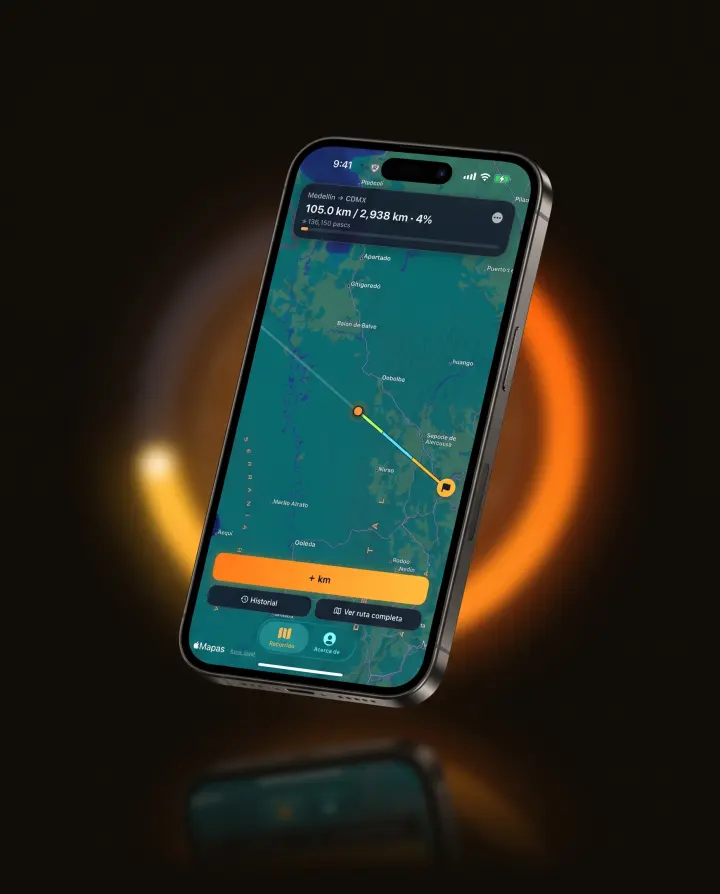
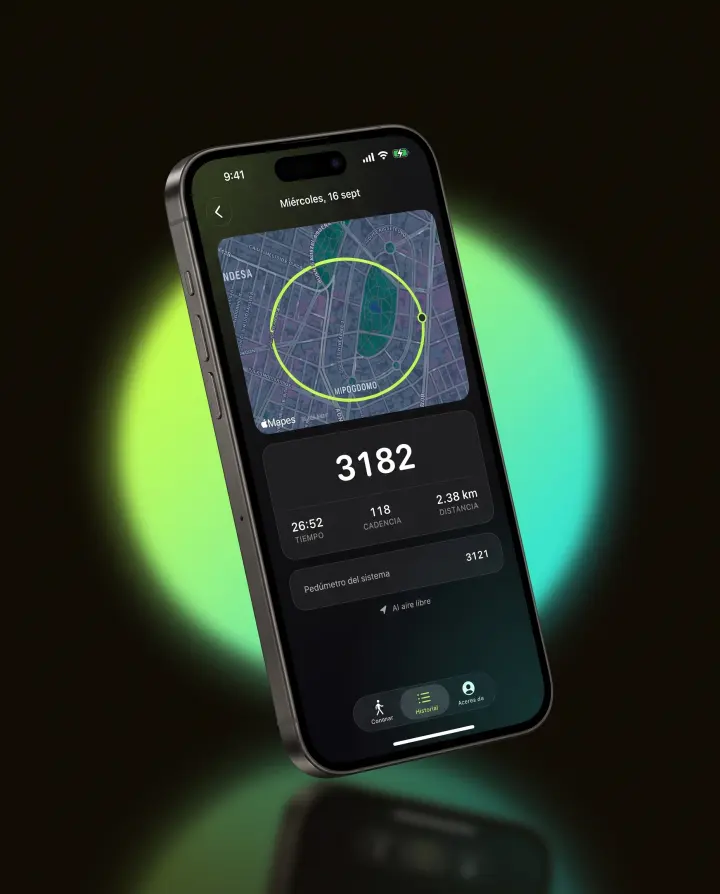
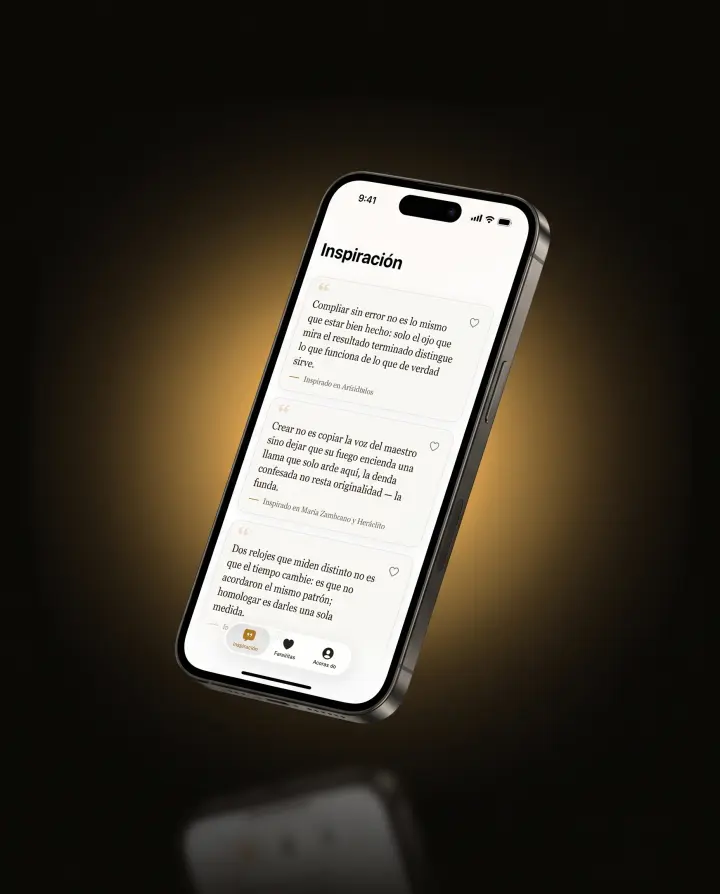
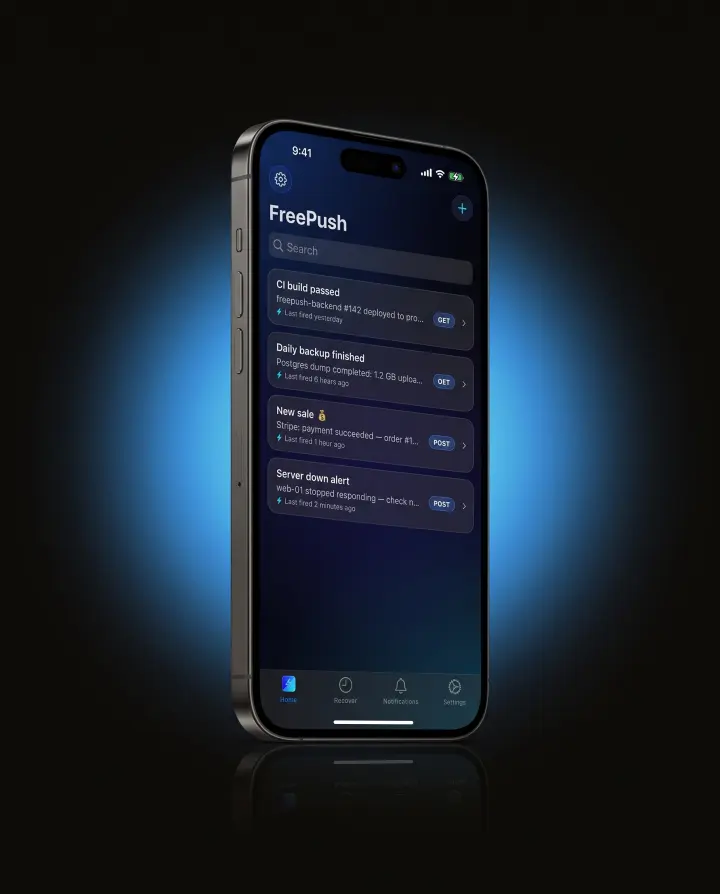
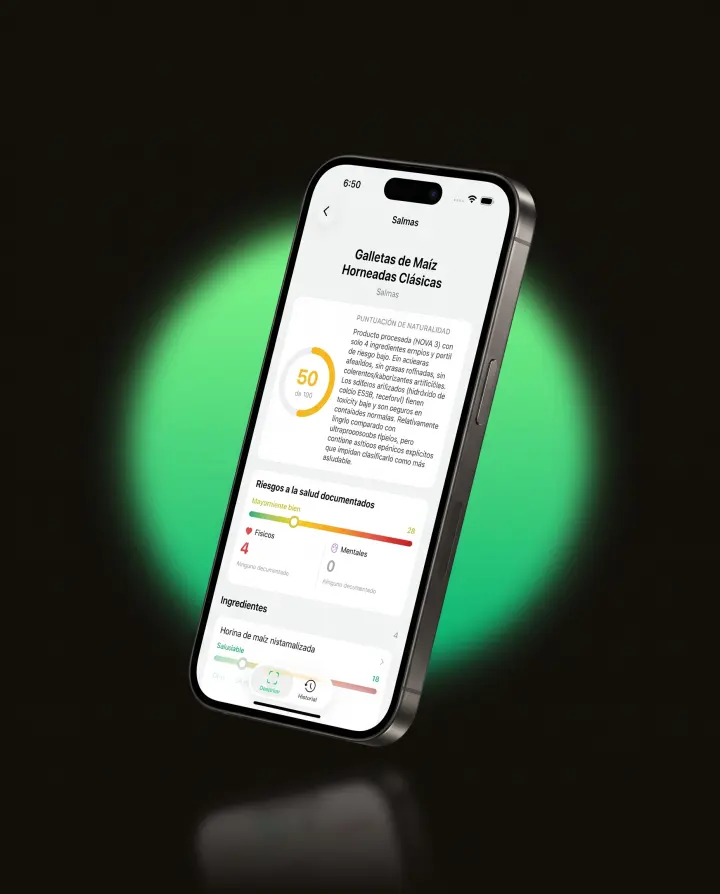
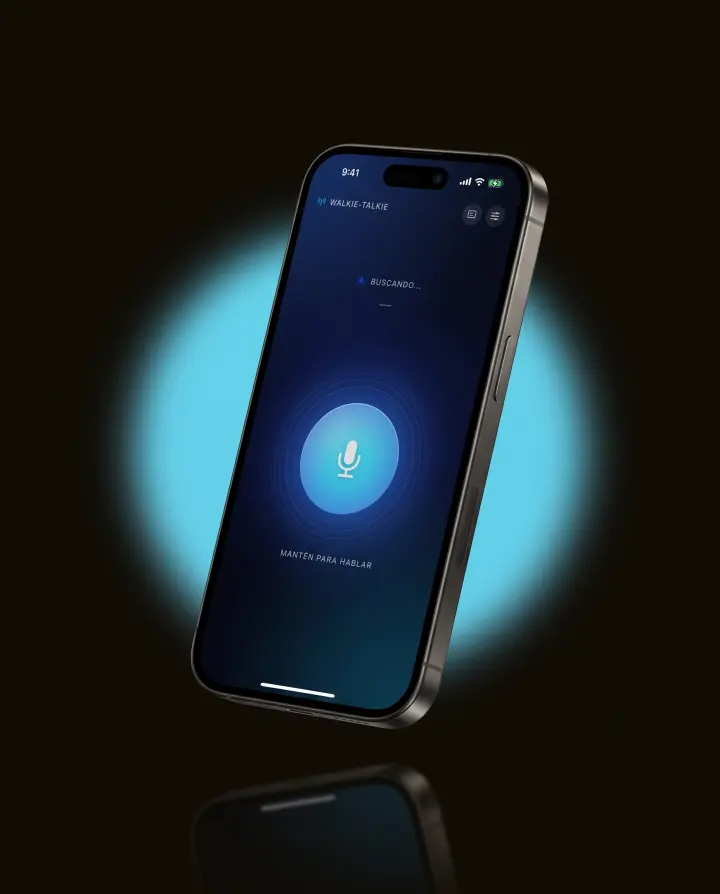
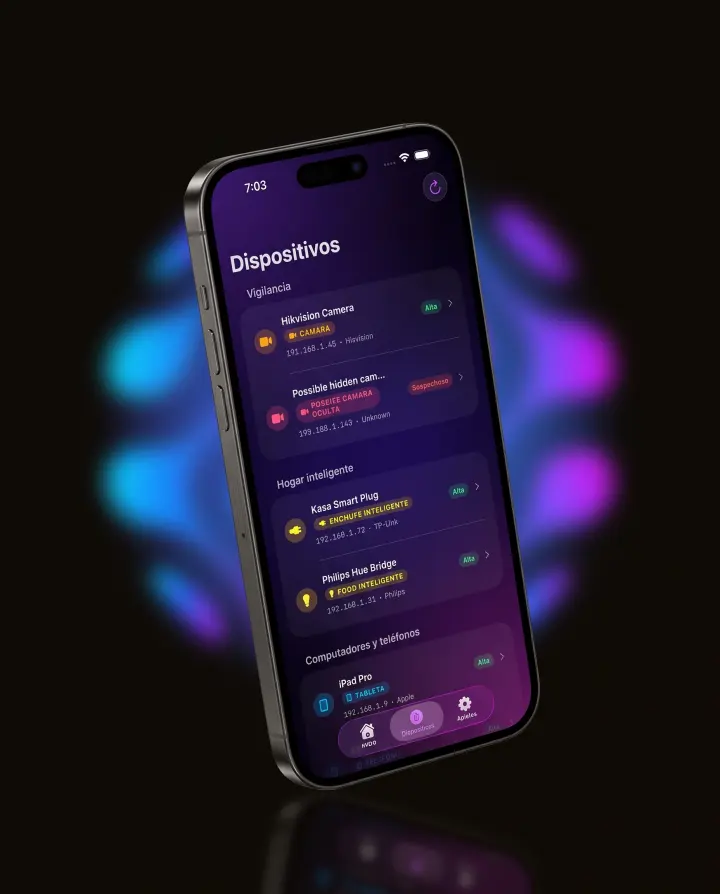
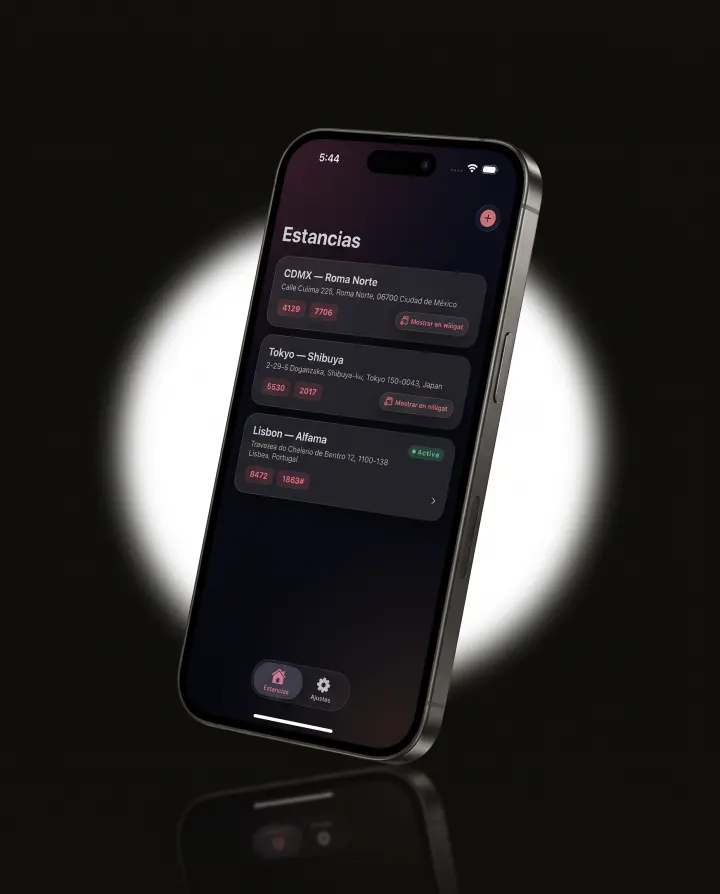
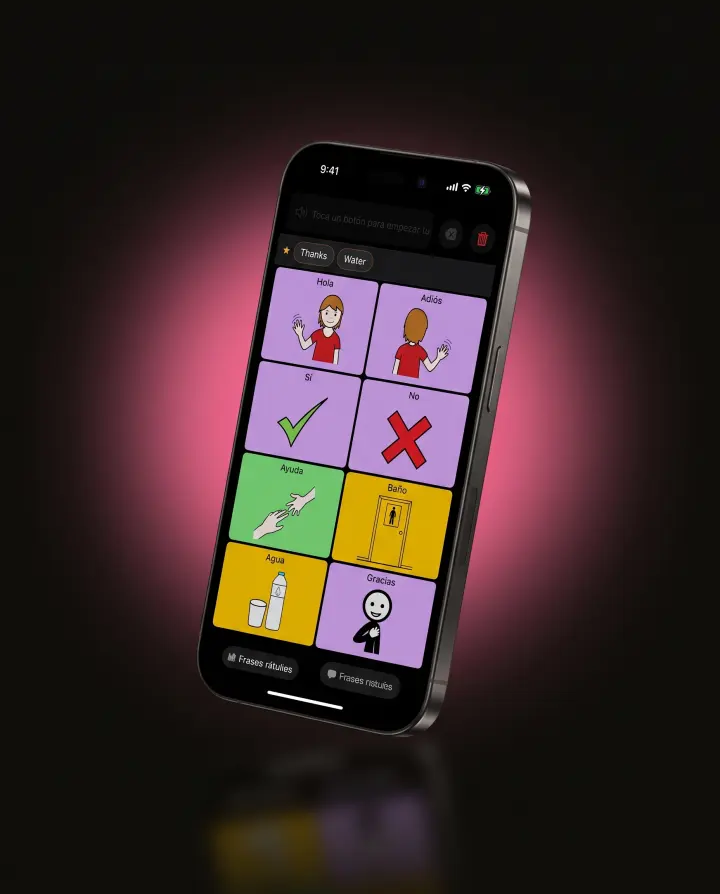
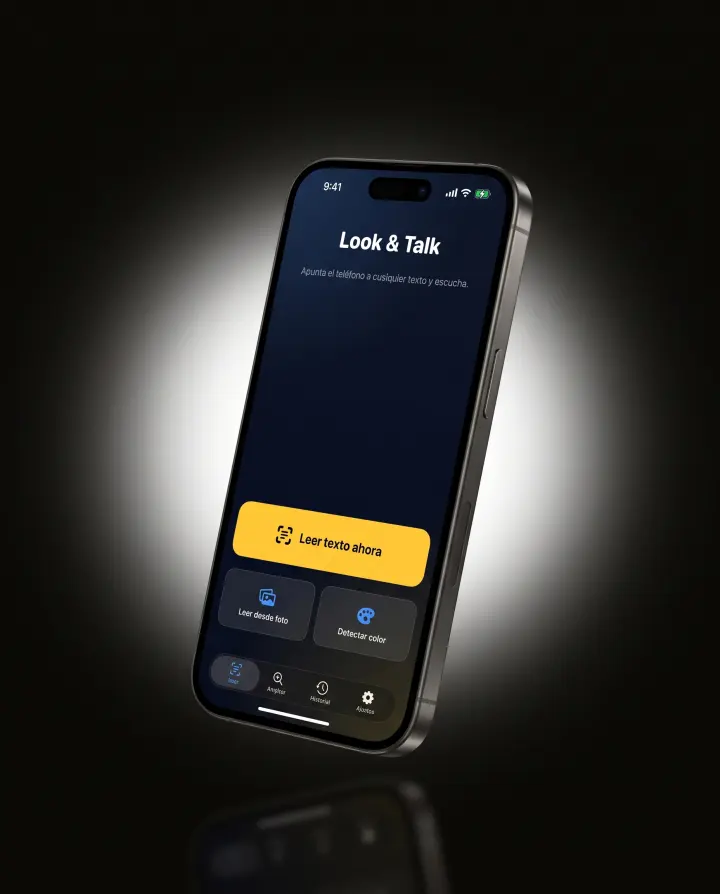
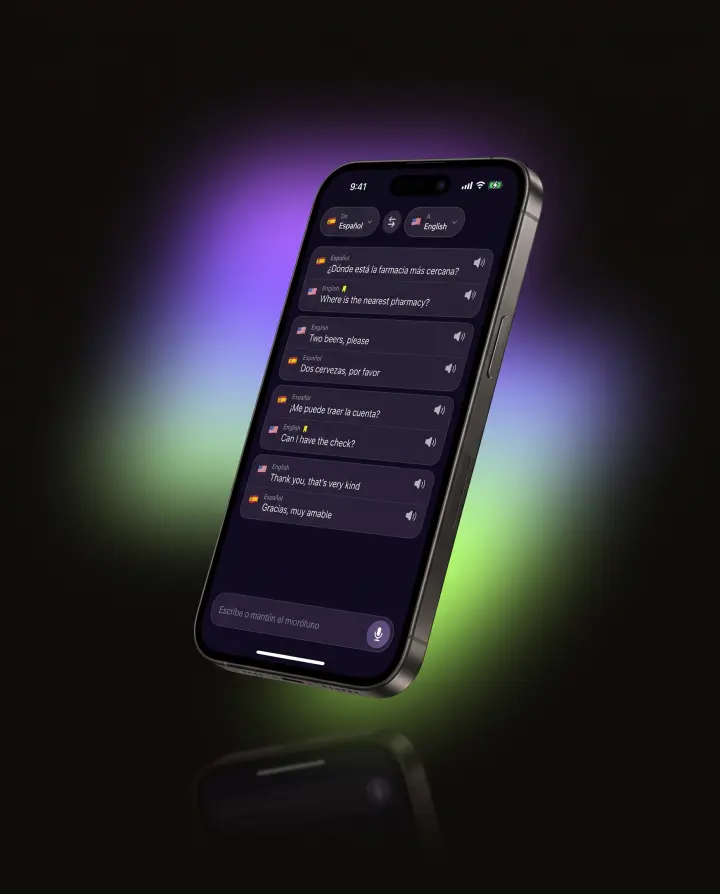
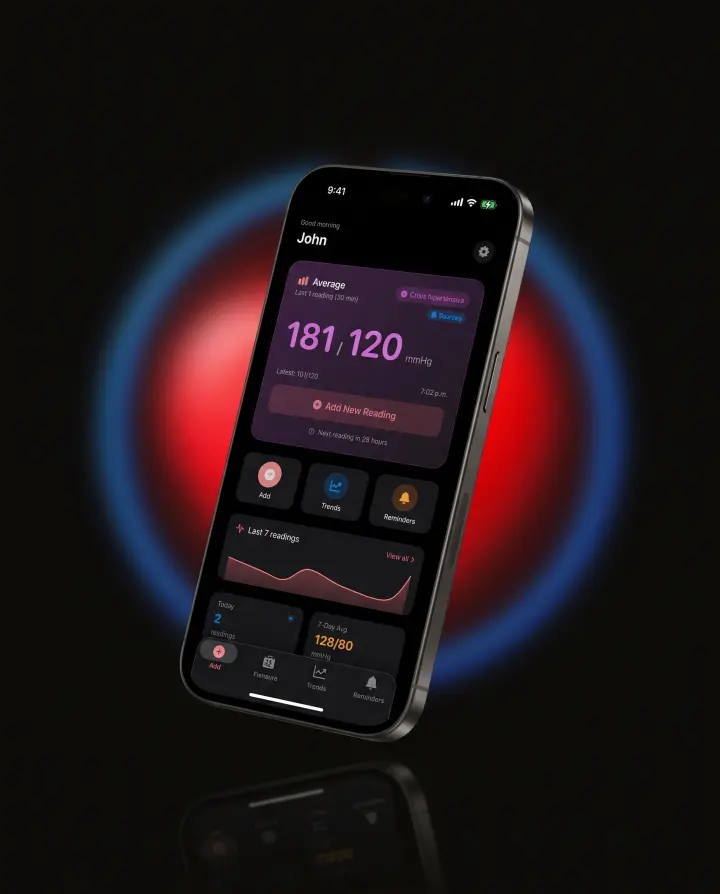
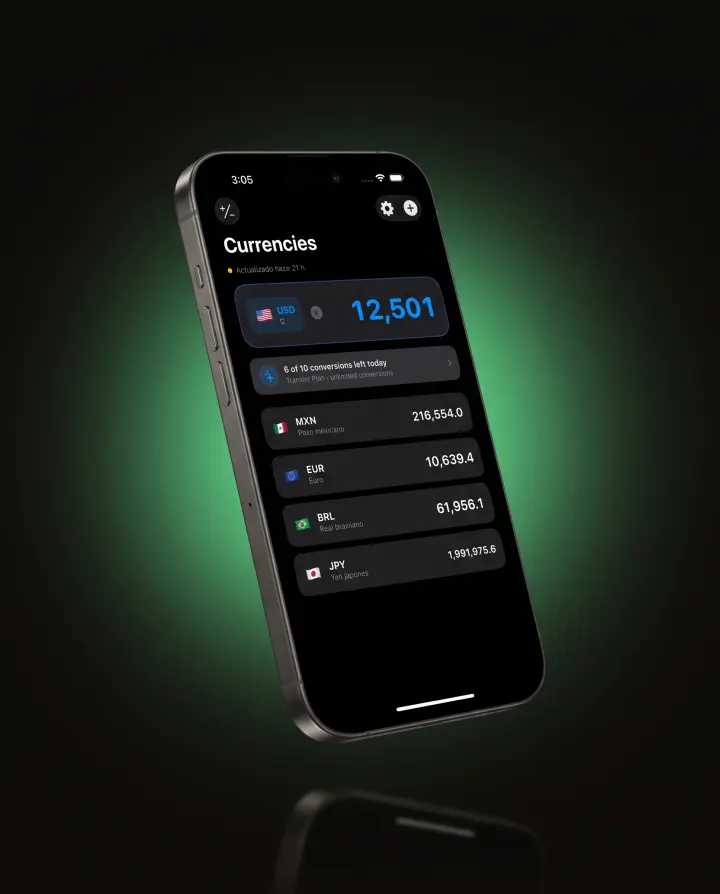
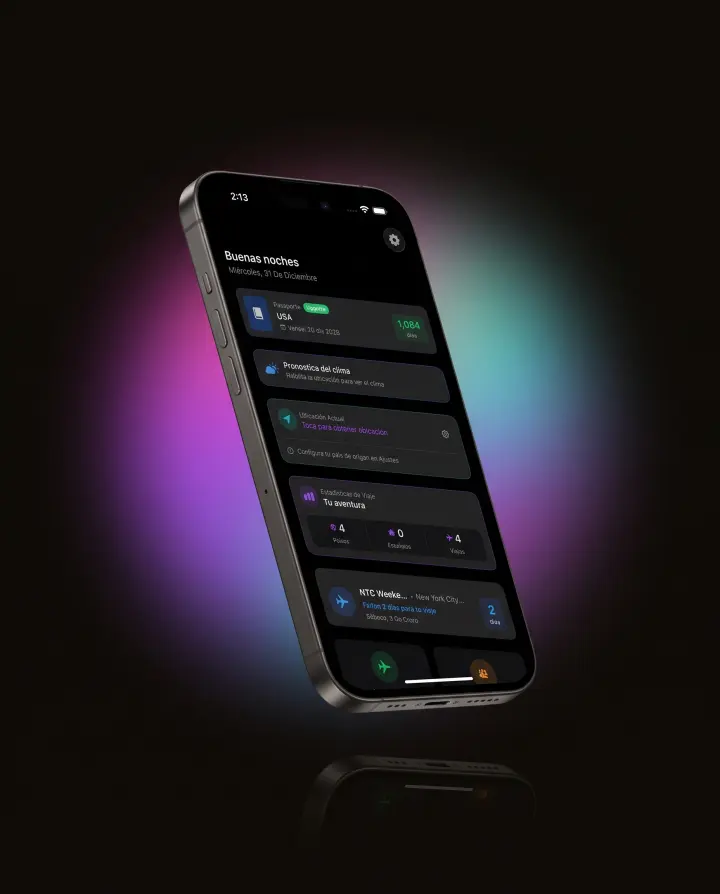
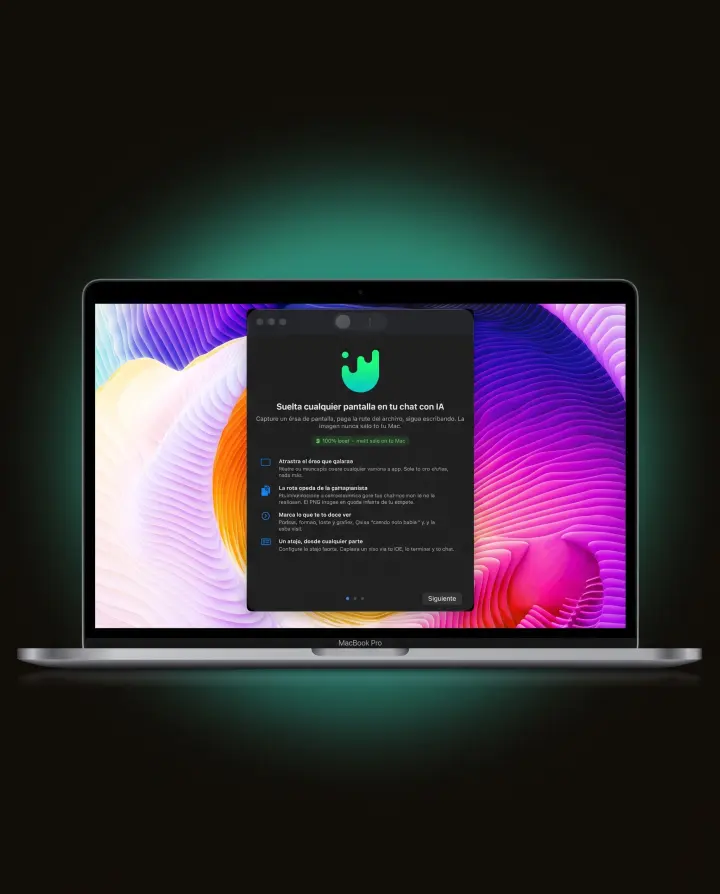
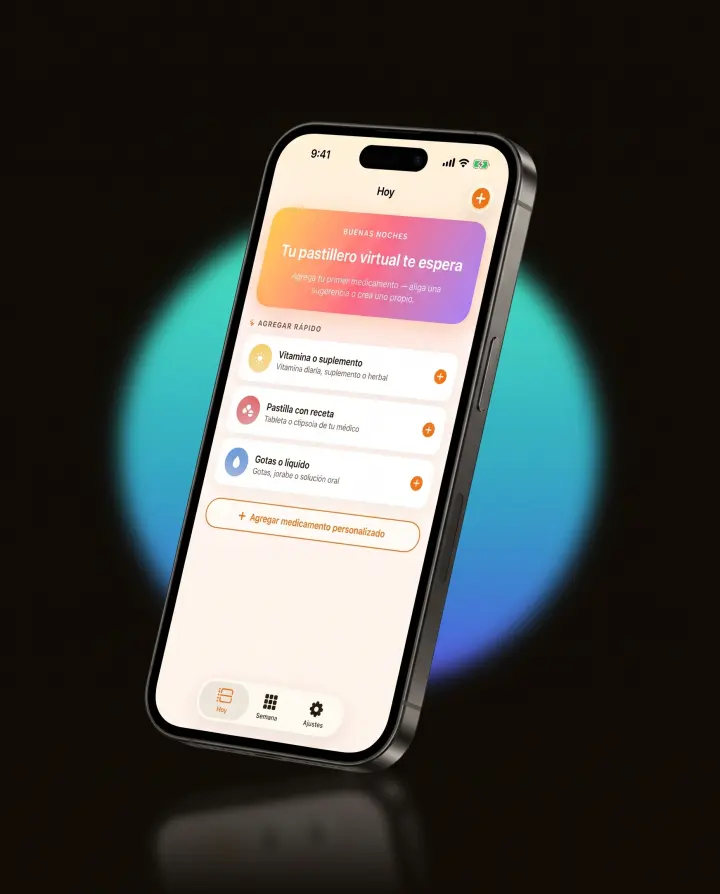
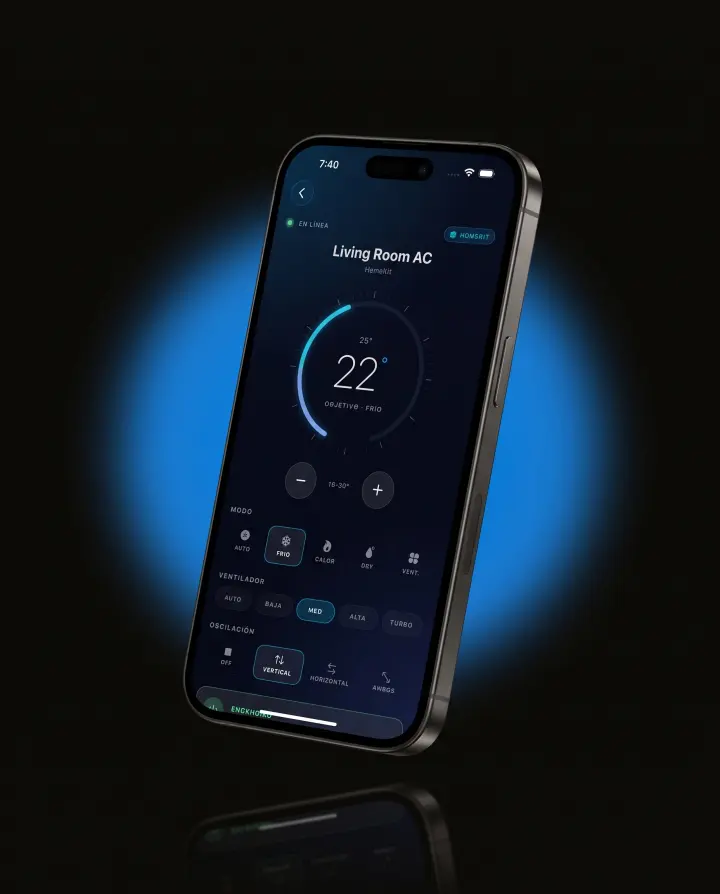
In my spare time I build native apps for iPhone and Mac, from idea to App Store, with my own agent system. 24 published so far and over 1,100 downloads. More on the way.

  • +1,100 downloads
  • 22 iOS
  • 2 macOS
  • Since January 2026